Experience. Experience. Experience.
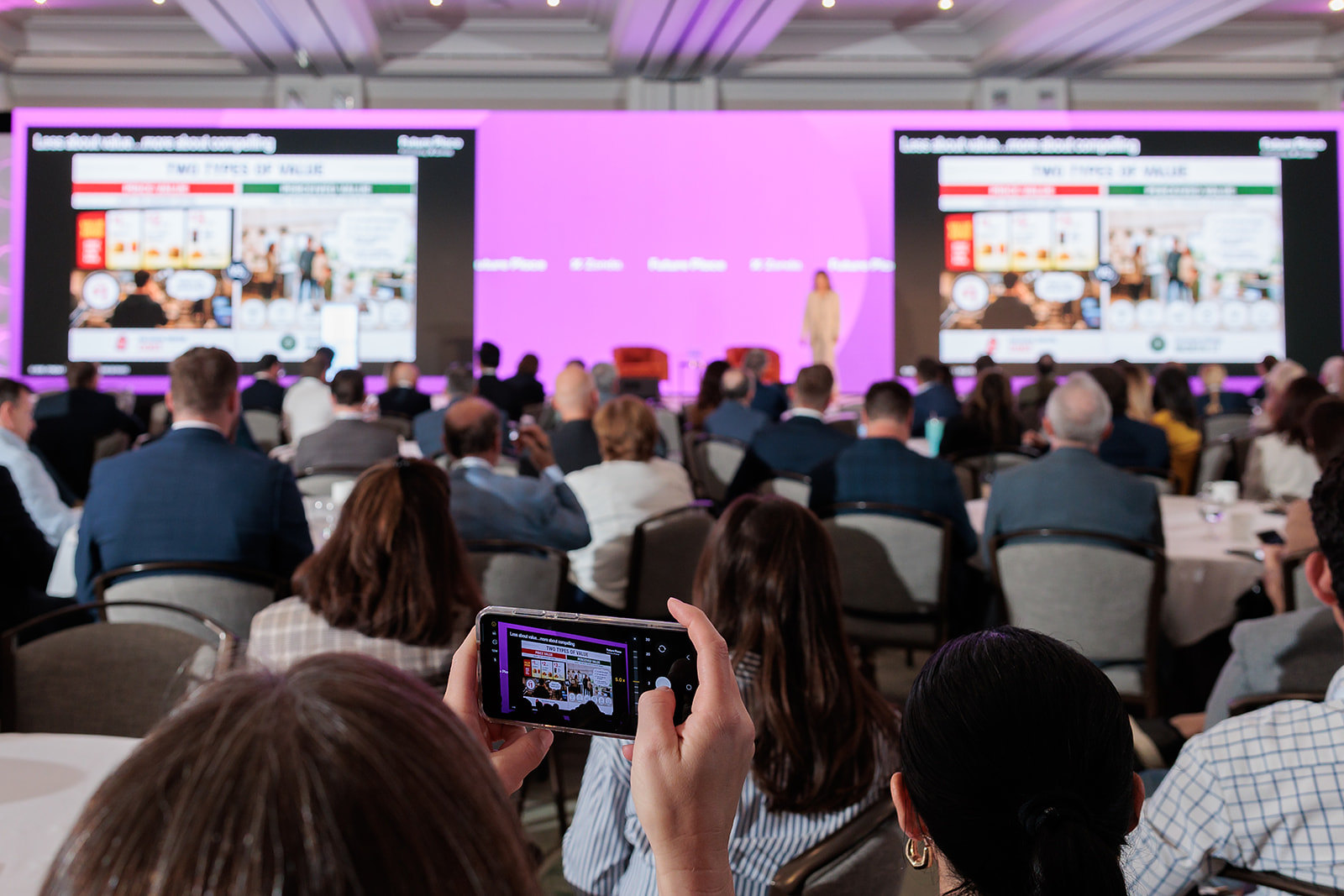
We came back from Zonda’s Future Place 2026 in Dallas with pages of notes, plenty of inspiration and a few reality checks about the housing market.
Let’s get that part out of the way. Affordability remains challenging. Buyers are cautious. Builders are still navigating pricing pressure, incentives and a market that isn’t expected to get dramatically easier in 2027.
But amid the conversations about rates, demographics, design and development, another message came through loud and clear:
The future of community isn’t about offering more. It’s about creating experiences that mean more.
And while many of these ideas are already taking shape across the communities we work with, Future Place gave us fresh perspectives on where the industry is headed and how we can continue to push the thinking forward.
Here are five ideas that stuck with us.
1. What If the Welcome IS the Experience?
Sometimes the simplest ideas make the biggest impression.
One of our favorite takeaways from Future Place was a wonderfully straightforward invitation:
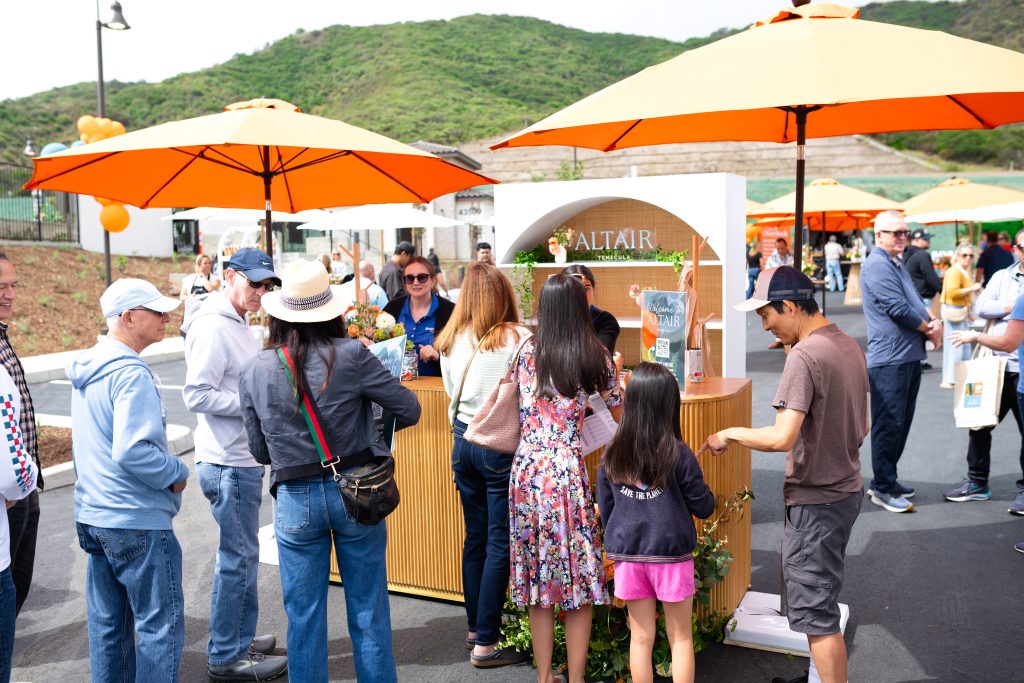
“Bring your bike…and come by for a visit.”
Think about the difference.
One approach tells prospective buyers about a community’s trails, walkability and active lifestyle.
The other invites them to bring their bike and experience it firsthand.
Same community. Entirely different welcome.
It’s a small shift in thinking with big implications for how communities introduce themselves to prospective residents.
What if the first visit felt less like a sales appointment and more like an invitation to experience the place?
What if prospective buyers could explore a trail, attend a neighborhood event or discover something unexpected before ever stepping inside a model home?
These experiences can do something even the best advertising can’t fully accomplish: let people imagine themselves belonging.
And they don’t necessarily require massive budgets or elaborate productions. Sometimes a simple, authentic invitation is more powerful than a highly produced event.
For builders and developers, it means thinking about community activation earlier in the development process.
For marketers, it means recognizing that the brand experience begins long before someone becomes a buyer.
Every invitation, interaction, event and visit is an opportunity to make the community’s promise tangible.
The shift: From selling the lifestyle to letting people live it.
2. Could This Community Exist Anywhere Else?
One of our favorite questions from Future Place was also one of the most challenging:
“What could exist only here?”
It’s a question every developer, planner and brand strategist should be asking.
Too often, communities borrow from the same playbook. Similar amenities, familiar architecture, interchangeable lifestyle messaging and a collection of features that could belong almost anywhere.
But the most memorable places don’t start with a formula. They start with a story.
That story might come from the land itself. The area’s agricultural heritage. Its local artists, food, music, traditions or natural environment. Or something entirely unexpected that gives the place a distinct personality.
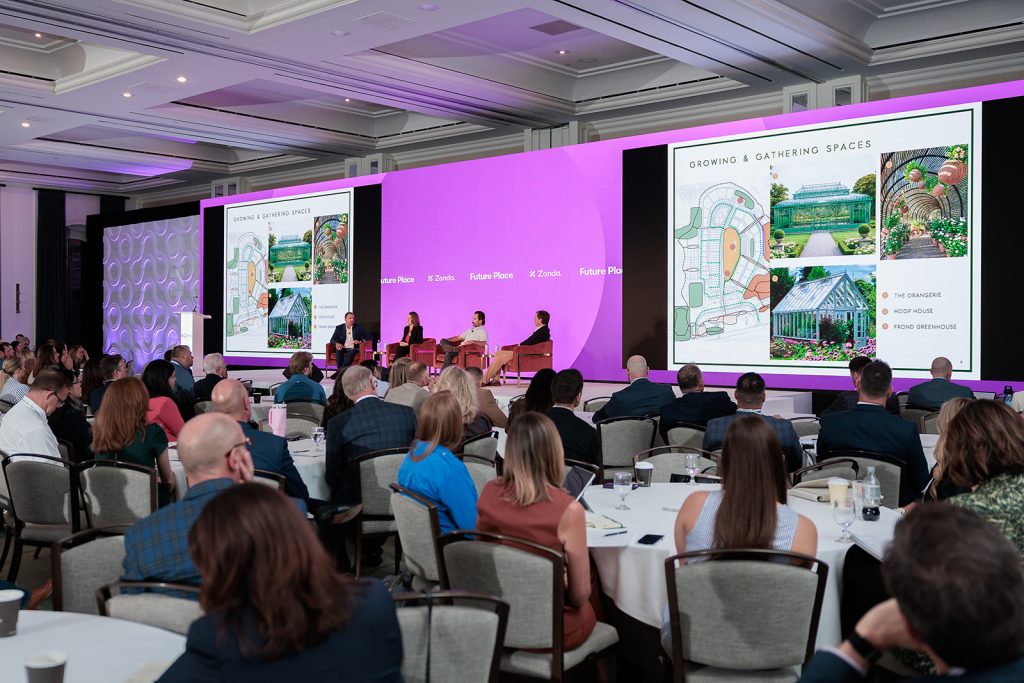
At Future Place, speakers explored how cultural placemaking can become an integral part of a community’s identity rather than simply decorative finishing touches.
Think working farms, locally inspired gathering spaces, public art, seasonal traditions and community programming that reflects the character of the place.
These aren’t just amenities. They’re opportunities to create an identity that residents connect with and visitors remember.
And from a branding perspective, this is where things get especially interesting.
Shout out to Fox Point Farms; we can’t wait to visit.
The most powerful community stories aren’t invented in a marketing meeting. They’re uncovered, shaped and brought to life.
When the experience grows naturally from what makes a place unique, the marketing becomes more authentic—and the brand becomes harder to replicate.
The shift: From manufactured lifestyle to authentic identity.
3. Is the $10 Million Clubhouse Losing Its Shine?
For years, master-planned communities have competed on the size and scale of their amenities. Bigger clubhouses. More elaborate pools. More pickleball courts. More, more, more.
But what if more isn’t necessarily better?
One of the more interesting conversations at Future Place challenged the traditional amenity arms race. Could creative pop-up events, a neighborhood coffee shop, a working farm, local gathering spot or flexible commercial space create more meaningful connections than another multimillion-dollar clubhouse?
And could those spaces create a more sustainable long-term operating model without the same burden on homeowners’ associations? Take a look at Fox Point Farms in Encinitas, centered around a working organic farm that grows vegetables, herbs, and flowers to supply on-site businesses.
It’s not that traditional amenities are going away. They’re simply becoming expectations rather than differentiators.
What matters increasingly is how people actually use these spaces, the experiences they create and the connections that happen along the way.
As Zonda’s Mollie Carmichael put it:
“Not more amenities. More meaning. More life.”
For developers, the opportunity is to think beyond the amenity checklist and consider how the entire community functions as a living, connected experience.
For marketers, it’s a reminder that the most compelling lifestyle stories aren’t always about what’s included. They’re about what life actually feels like.
The shift: From impressive amenities to meaningful everyday experiences.
4. Are We Marketing to a Household That No Longer Exists?
The American household is changing, and the implications for homebuilding go well beyond floor plans.
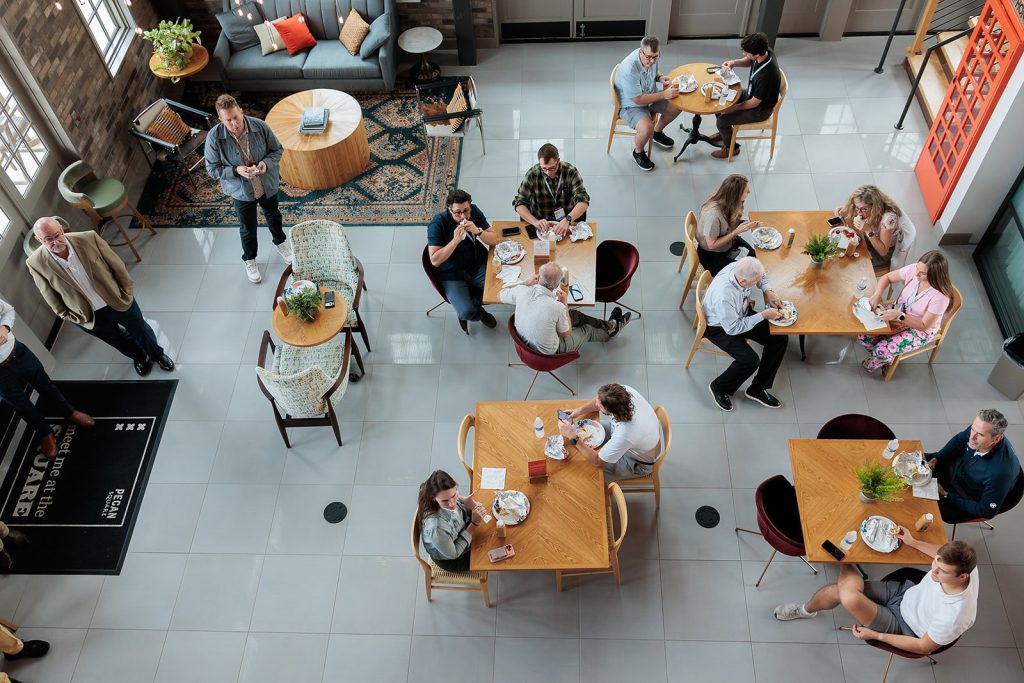
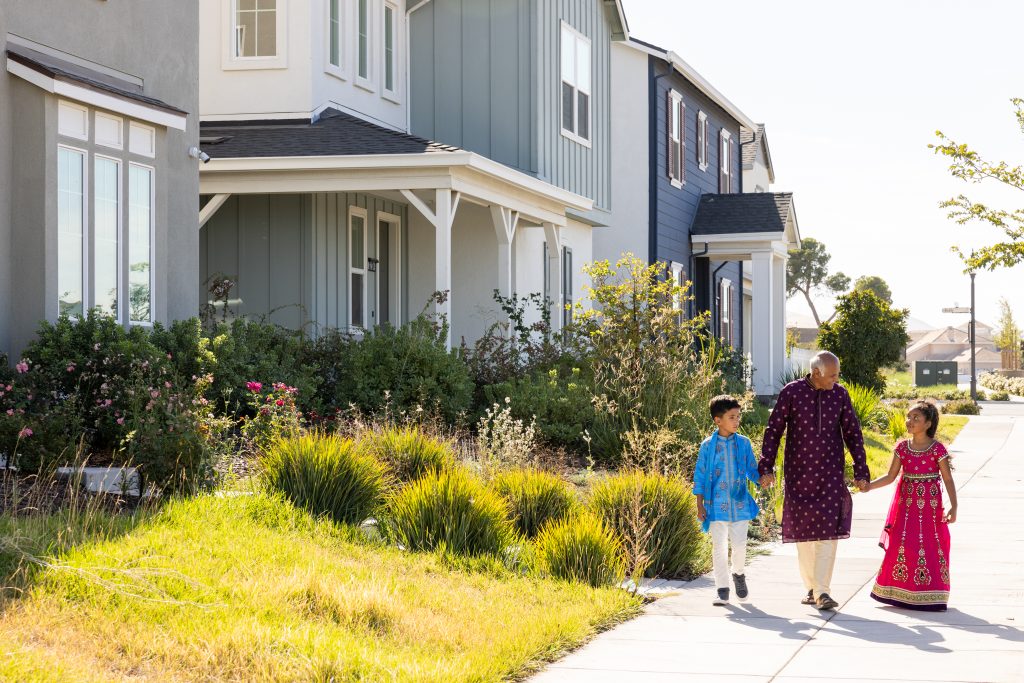
More people are living alone. Marriage and parenthood are happening later. Multigenerational households are evolving. And traditional definitions of family no longer capture the full picture of today’s homebuyers.
Generational researcher Kim Lear brought this to life at Future Place, challenging us to look beyond traditional generational labels and recognize the many different lifestyles within them.
One of our favorite introductions? DINKWADs: Double Income, No Kids, With a Dog. (And yes, a few of us proudly qualify.)
It’s a playful acronym, but it makes a meaningful point. Today’s households don’t necessarily follow the familiar progression of getting married, having kids, buying a bigger home and eventually downsizing.
Even the 55+ audience spans dramatically different life stages, priorities and aspirations. A 57-year-old professional and a 75-year-old retiree may share a demographic category but have very different ideas about what home should look and feel like.
So why does so much housing marketing still rely on the same familiar images and assumptions?
The opportunity isn’t simply to segment audiences by age or income. It’s to understand the lifestyles, motivations and experiences that shape their decisions—and make sure the stories we’re telling reflect the people we’re trying to reach.
The shift: From demographic labels to real-life motivations.
5. What If Community Is a Verb?
Phillip Huffines of Huffines Communities shared one of the most memorable observations of the conference:
“We treat community as a verb rather than a noun.”
We love that idea because it changes the conversation.
Community isn’t simply something you build. It’s something people do.
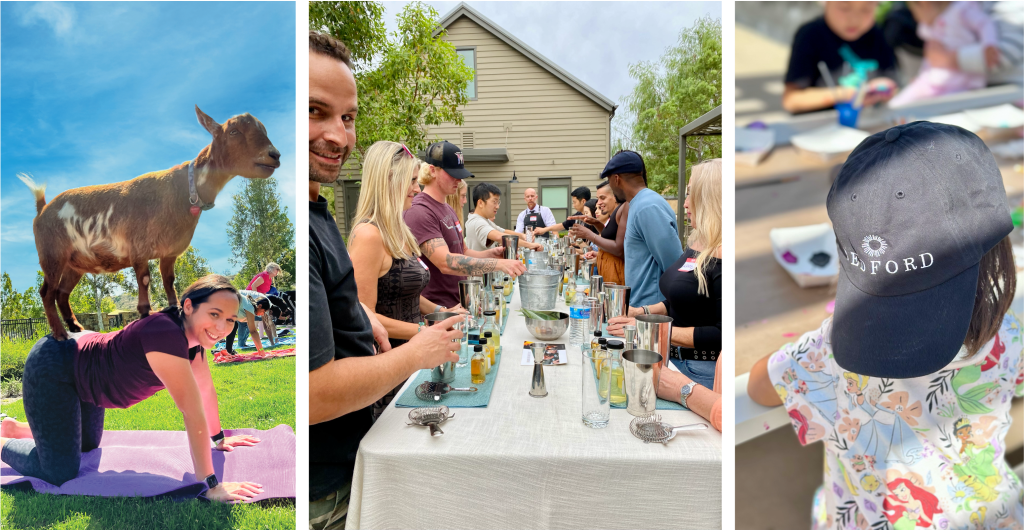
It’s neighbors gathering for dinner. Kids making friends. Residents starting traditions. People finding connection, support and a sense of belonging.
And in a world where loneliness and social isolation are increasingly part of the conversation, those connections matter.
Future Place speakers talked about the importance of recreating some of the social infrastructure that previous generations may have taken for granted.
For young parents, that might mean a built-in network of neighbors and families. For older adults, it might mean staying socially engaged and imagining where future holiday gatherings will take place. For people living alone, it might mean finding opportunities to connect naturally with others.
The common thread is the desire to belong.
But here’s the challenge: Building a beautiful gathering space doesn’t guarantee people will gather.
That’s why programming, hospitality, resident involvement and community activation are becoming increasingly important parts of the development equation.
A lifestyle director. A neighborhood farmers’ market. A regular gathering at the local coffee shop. An outdoor concert. A resident-led club.
The spaces matter, but what happens within them matters more.
For marketers, the opportunity is to move beyond describing community as an abstract benefit and start showing how it comes to life through real people and real experiences.
The shift: From building spaces to building connections.
Where Do We Go from Here?
If there was one overarching message from Future Place, it was that the next generation of successful communities will be defined by more than their homes, amenities or marketing campaigns.
They’ll be defined by how well they understand the people they serve, how authentically they express their identity and how intentionally they create opportunities for connection.
And while the housing market may continue to present challenges, those fundamentals become even more important when buyers need compelling reasons to make a move.
As David O’Reilly observed when discussing The Woodlands:
“When people buy into The Woodlands, they’re not buying a home. They’re buying a place.”
That’s a powerful reminder of what we’re really creating—and what we’re really selling.
At Gunn Jerkens, we help our clients turn their vision into a distinctive brand, bring it to life through meaningful experiences and create authentic connections that inspire people to become part of something bigger.
Because the best community brands don’t just tell a great story.
They invite people to live it.
Experience. Experience. Experience. But make it real.
Ready to collaborate? Say hello >